
BENEFITS OF THIS POWERPOINT DOCUMENT
- Understand how to lean a supply chain
SUPPLY CHAIN ANALYSIS PPT DESCRIPTION
Editor Summary
The PSL - Lean Supply Chain Presentation is a 57-slide PowerPoint deck that teaches Lean application across supply chain operations, covering the SCOR Model, Just-In-Time (JIT) Kanban systems, Lean Procurement, Lean Warehousing, and Value Stream Mapping.
Read more
Developed by OpEx Academy NZ and a certified LSS Master Black Belt who has trained 5,000+ students and is endorsed by CMI Consortium, NZTE, HERA, NZPICS, and CBAFF. Includes 6 templates/tools (Lean Supply Chain Assessment, SCOR Framework, Lean Procurement Checklist, Kanban Implementation Guide, Case Study Analysis, Lean Office Process Mapping) and is sold as a digital download on Flevy with immediate digital download.
Use this presentation when an organization is planning or initiating Lean transformation across supply chain functions—during strategic planning, training, or targeted improvement workshops.
Supply Chain Managers mapping current-state processes with the SCOR Model to identify waste and improvement opportunities.
Operations Executives aligning Sales & Operations Planning with Lean principles to smooth demand peaks and troughs.
Procurement Teams implementing lean supplier collaboration and e-procurement workflows to reduce lead times.
Logistics Coordinators designing JIT/Kanban replenishment and lean transportation flows.
The approach emphasizes SCOR-driven process mapping and Lean tools such as Value Stream Mapping and Kanban to identify waste and align improvements.
This presentation details the various components of the Lean Supply Chain. The topics covered as below:
The concept of Lean
Supply Chain and it's management
Benefits of Lean Supply Chain
The SCOR Model
Components of the Lean Supply Chain
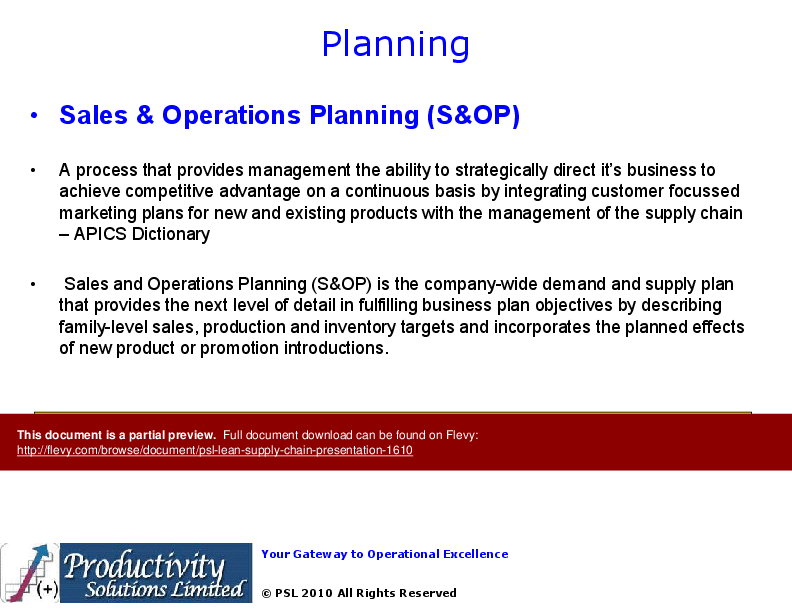
Sales & Operations Planning
Lean Suppliers
Lean Procurement
Lean Manufacturing
Lean Warehousing
Lean Transportation
Lean Customers
and
Lean Office
The path forward
Case studies
There are 57 slides in all.
Associated documents:
1. Lean Thinking for the Office
2. Sales & Operations Planning
3. Introduction to Lean manufacturing
4. Value Stream Mapping
5. JIT – Kanban Implementation
Buy all the 6 documents and receive a 25% discount.
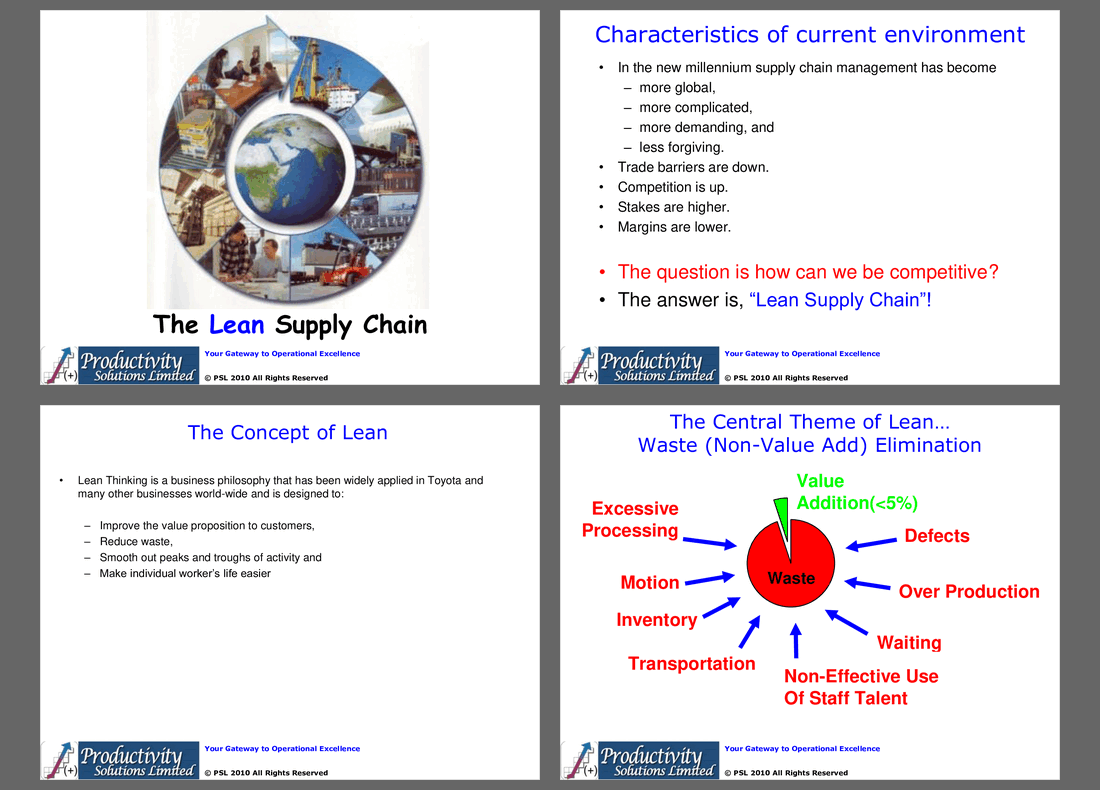
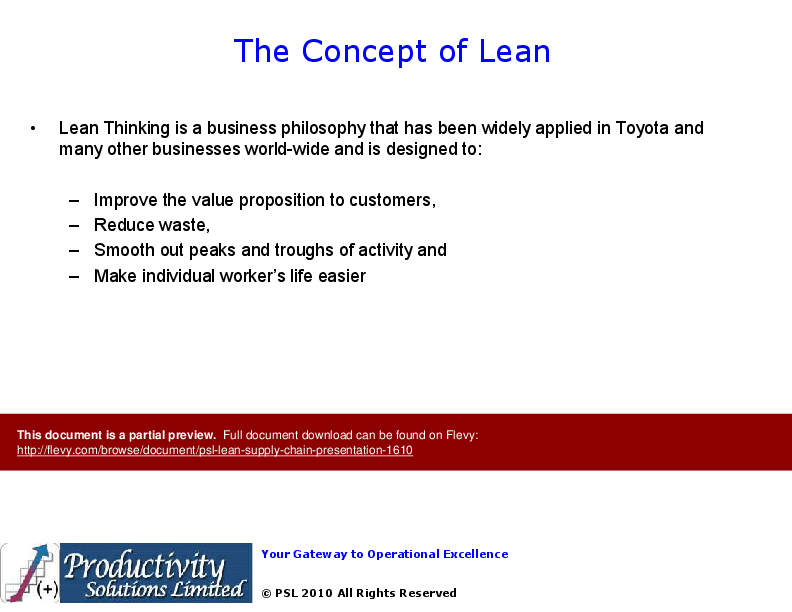
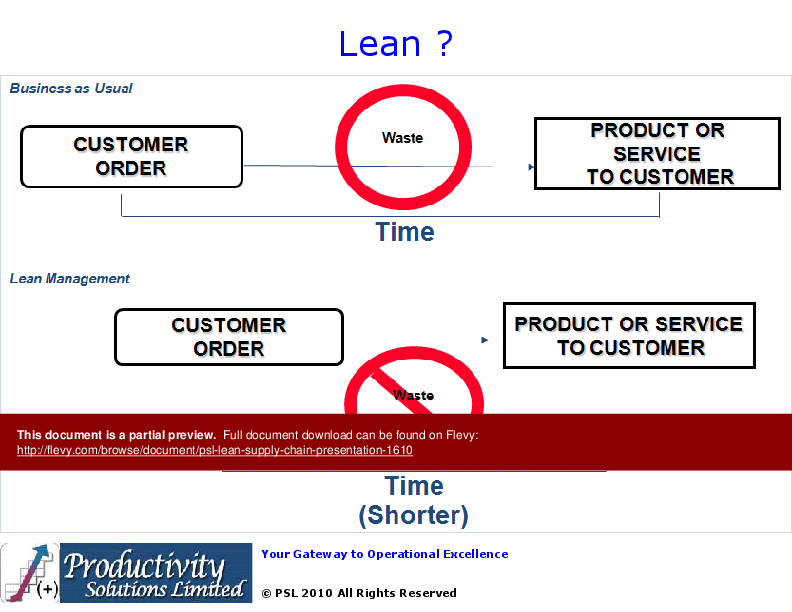
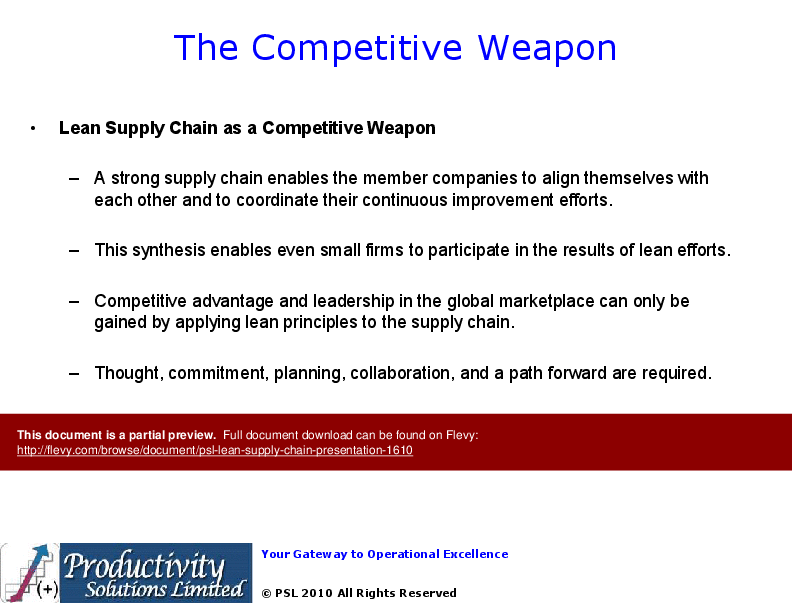
Lean Thinking is a business philosophy that has been widely applied in Toyota and many other businesses worldwide. It focuses on improving the value proposition to customers, reducing waste, smoothing out peaks and troughs of activity, and making individual workers' lives easier. This presentation delves into how Lean Management eliminates waste, shortens time, and enhances the overall efficiency of the supply chain, making it a competitive weapon in the global marketplace.

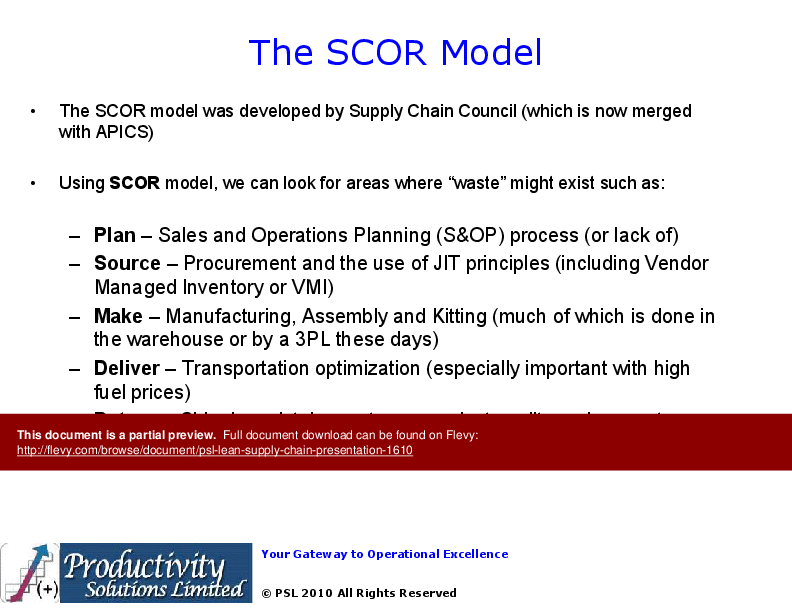
The SCOR model, developed by the Supply Chain Council, is used to identify areas where waste might exist. It covers planning, sourcing, manufacturing, delivering, and returning processes. The model is crucial for aligning supply chain activities with lean principles, ensuring continuous improvement, and achieving operational excellence. Effective Supplier Relationship Management (SRM) is also emphasized, requiring a clear understanding of supplier importance based on risk, operational criticality, and other strategic factors.
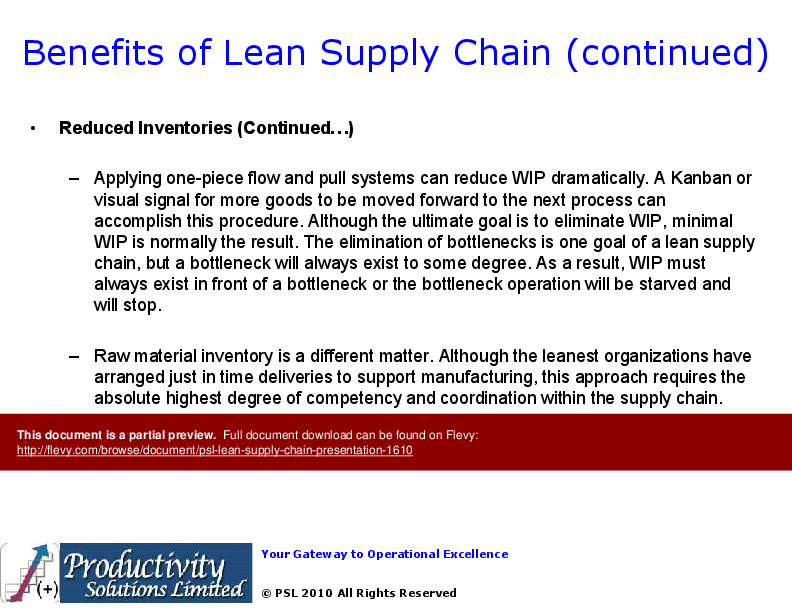
Lean warehousing eliminates non-value-added steps and waste in product storage processes, including receiving, storing, replenishment, picking, packing, and shipping. Kanban systems, synonymous with Just in Time (JIT) manufacturing, are highlighted for their role in timely replenishments and visual indicators for warehouse operators. The presentation also covers e-Procurement, which streamlines purchasing processes through electronic workflows, enhancing efficiency and reducing lead times.
Got a question about the product? Email us at support@flevy.com or ask the author directly by using the "Ask the Author a Question" form. If you cannot view the preview above this document description, go here to view the large preview instead.
MARCUS OVERVIEW
This synopsis was written by Marcus
[?] based on the analysis of the full 57-slide presentation.
Executive Summary
The Lean Supply Chain Presentation is a comprehensive guide designed to help organizations implement Lean principles across their supply chain operations. Developed by a seasoned expert with over 5,000 global trainees, this presentation outlines the critical components of Lean Supply Chain Management, emphasizing waste reduction and efficiency. Buyers will gain insights into the SCOR Model, Just-In-Time (JIT) Kanban systems, and best practices for optimizing supply chain processes, ultimately leading to enhanced customer satisfaction and competitive advantage.
Who This Is For and When to Use
• Supply Chain Managers looking to enhance operational efficiency
• Operations Executives aiming to implement Lean methodologies
• Procurement Teams focused on supplier relationship management
• Logistics Coordinators seeking to streamline transportation processes
Best-fit moments to use this deck:
• During strategic planning sessions for supply chain optimization
• When initiating Lean transformation projects across departments
• For training sessions aimed at improving team understanding of Lean principles
• In workshops focused on case studies and practical applications of Lean Supply Chain Management
Learning Objectives
• Define Lean principles and their application in supply chain management
• Identify and eliminate waste within supply chain processes
• Develop a comprehensive understanding of the SCOR Model
• Implement JIT and Kanban systems to enhance operational flow
• Foster supplier relationships that support Lean initiatives
• Analyze case studies to extract actionable insights for Lean transformation
Table of Contents
• Introduction to Lean Principles (page 3)
• Overview of Supply Chain Management (page 5)
• Benefits of Lean Supply Chain (page 8)
• The SCOR Model Explained (page 12)
• Components of Lean Supply Chain (page 15)
• Lean Office Practices (page 20)
• Case Studies: Tesco and Italian Footwear (page 25)
• Path Forward for Lean Implementation (page 30)
Primary Topics Covered
• Lean Principles - Lean thinking focuses on maximizing customer value while minimizing waste, creating a culture of continuous improvement.
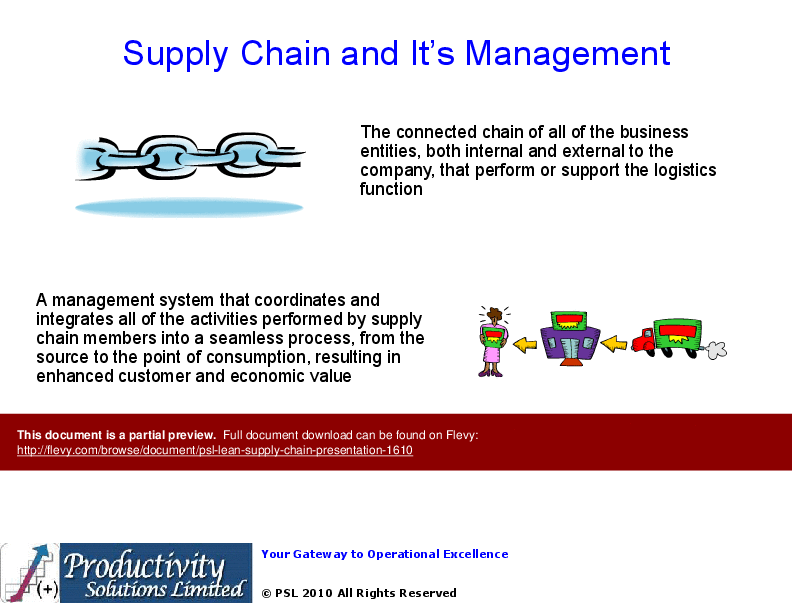
• Supply Chain Management - A framework that integrates all activities performed by supply chain members into a seamless process, enhancing customer and economic value.
• Benefits of Lean Supply Chain - Key advantages include improved speed, reduced inventories, lower costs, and enhanced customer satisfaction.
• SCOR Model - A reference model that helps identify areas of waste in planning, sourcing, making, delivering, and returning products.
• Lean Procurement - Strategies for optimizing procurement processes through visibility and collaboration with suppliers.
• Lean Manufacturing - Techniques for producing goods efficiently, aligning production with customer demand, and minimizing resource use.
Deliverables, Templates, and Tools
• Lean Supply Chain Assessment Template for evaluating current practices
• SCOR Model Framework for mapping supply chain processes
• Lean Procurement Checklist to streamline sourcing activities
• Kanban System Implementation Guide for inventory management
• Case Study Analysis Template for evaluating Lean transformations
• Lean Office Process Mapping Tool for identifying waste in administrative tasks
Slide Highlights
• Overview of Lean Thinking Principles emphasizing customer value and waste elimination
• Visual representation of the SCOR Model detailing supply chain processes
• Case study insights from Tesco showcasing Lean logistics management
• Graphical analysis of the Italian Footwear case highlighting operational improvements
• Flowchart illustrating the Lean Procurement process and its benefits
Potential Workshop Agenda
Lean Principles Overview (60 minutes)
• Introduction to Lean concepts and their relevance to supply chains
• Group discussion on current challenges and opportunities
SCOR Model Application (90 minutes)
• Interactive session on mapping supply chain processes using the SCOR Model
• Breakout groups to identify areas of waste and improvement
Case Study Analysis (60 minutes)
• Review of Tesco and Italian Footwear case studies
• Group presentations on lessons learned and actionable insights
Customization Guidance
• Tailor the presentation to include specific organizational examples and case studies relevant to your industry.
• Adjust the SCOR Model application to reflect your supply chain structure and processes.
• Incorporate internal metrics and KPIs to measure Lean implementation success.
Secondary Topics Covered
• Lean Transportation Strategies for optimizing logistics
• Supplier Relationship Management best practices
• Lean Warehousing techniques for efficient inventory management
• Continuous Improvement methodologies applicable across all supply chain functions
Topic FAQ
What are the main SCOR Model processes and how does SCOR help identify waste in a supply chain?
The SCOR Model organizes supply chain activity into 5 core processes—planning, sourcing, making, delivering, and returning—to help teams map end-to-end flows and locate non-value-added steps. Using SCOR makes it easier to target waste across functions, particularly in planning, sourcing, make, deliver, and return processes.
How can procurement teams apply Lean principles to improve supplier performance?
Lean procurement emphasizes visibility, collaboration, and supplier stratification to reduce waste and lead times. Practical actions include joint process mapping with suppliers, e-Procurement to streamline approvals, and using SRM to prioritize suppliers based on risk and criticality. These steps align with tools like a Lean Procurement Checklist.
Which tools are most effective for mapping and eliminating waste in manufacturing and office processes?
Value Stream Mapping and Lean Office Process Mapping visualize material and information flows to highlight delays and rework, while Kanban and JIT manage inventory replenishment and flow. Organizations commonly use Value Stream Mapping and Kanban as primary tools for process elimination and flow improvement.
What common challenges should I expect when starting a Lean supply chain program?
Common challenges include stakeholder resistance to change, limited understanding of Lean concepts across teams, and difficulties aligning cross-functional groups on shared metrics and processes. Addressing these requires structured training, clear metrics, and cross-functional workshops such as those outlined in the PSL - Lean Supply Chain Presentation's case study sessions.
How should I measure the success of a Lean supply chain implementation?
Success is typically measured with KPIs that reflect flow and efficiency, such as lead time reduction, inventory turnover rates, cost savings, and customer satisfaction scores. Tracking these indicators provides objective evidence of waste elimination and performance improvement, for example lead time reduction and inventory turnover metrics.
I need to run a one-day Lean supply chain workshop—what agenda structure works for teaching concepts and practical application?
A practical agenda starts with a Lean principles overview (about 60 minutes), followed by an applied SCOR Model mapping session (around 90 minutes) to identify waste, and a case study analysis block (approximately 60 minutes) for group learning and action planning. These timings match the suggested workshop agenda in the PSL - Lean Supply Chain Presentation.
What should I look for when choosing a pre-built Lean supply chain deck or toolkit for my team?
Evaluate whether the deck includes process mapping frameworks, practical implementation guides, templates for assessment and case analysis, and customization guidance for industry specifics. Look for included assets like a SCOR Model Framework, Kanban System Implementation Guide, and a Lean Supply Chain Assessment Template.
How do I assess the cost versus value of buying Lean templates instead of building them internally?
Compare internal development time, facilitator capability, and repeatability against the content and tools provided in a purchase. Consider the trainer credentials, included templates, and any bundle discounts—for example, the author's associated documents offer 6 items with a 25% discount when purchased together.
Document FAQ
These are questions addressed within this presentation.
What is the SCOR Model?
The SCOR Model is a framework developed by the Supply Chain Council that helps organizations analyze and improve their supply chain processes by identifying areas of waste across planning, sourcing, making, delivering, and returning products.
How can Lean principles benefit my organization?
Implementing Lean principles can lead to faster response times, reduced inventory levels, lower operational costs, and improved customer satisfaction by focusing on value creation and waste elimination.
What are some common challenges in implementing Lean Supply Chain practices?
Common challenges include resistance to change, lack of understanding of Lean principles, and difficulties in aligning cross-functional teams towards a common goal.
How does Lean Procurement differ from traditional procurement?
Lean Procurement emphasizes visibility and collaboration between suppliers and customers, focusing on reducing waste and improving efficiency in the procurement process.
Can Lean principles be applied to non-manufacturing environments?
Yes, Lean principles can be effectively applied to service industries and administrative functions to streamline processes and eliminate waste.
What role do suppliers play in a Lean Supply Chain?
Suppliers are considered partners in the Lean process, and their involvement is crucial for achieving efficiencies, reducing costs, and improving quality through collaborative efforts.
How do I measure the success of Lean implementation?
Success can be measured through key performance indicators (KPIs) such as lead time reduction, inventory turnover rates, cost savings, and customer satisfaction scores.
What tools can assist in Lean transformation?
Tools such as Value Stream Mapping, Kanban systems, and continuous improvement frameworks can assist organizations in their Lean transformation efforts.
Glossary
•
Lean Supply Chain - A supply chain that focuses on maximizing customer value while minimizing waste.
•
SCOR Model - A framework for analyzing supply chain processes and identifying areas of improvement.
•
Just-In-Time (JIT) - An inventory strategy that aligns production with customer demand to reduce waste.
•
Kanban - A visual signaling system used to manage inventory and production flow.
•
Supplier Relationship Management (SRM) - A systematic approach to managing an organization's interactions with suppliers.
•
Value Stream Mapping - A Lean tool used to visualize and analyze the flow of materials and information in a process.
•
Continuous Improvement - An ongoing effort to enhance products, services, or processes through incremental improvements.
•
Lean Procurement - An approach to procurement that emphasizes efficiency and collaboration with suppliers.
•
Lean Manufacturing - A production practice that considers the expenditure of resources in any aspect other than the direct creation of value for the end customer to be wasteful.
•
Supplier Stratification - The process of categorizing suppliers based on their strategic importance to the organization.
•
Waste - Any activity that consumes resources without adding value to the product or service.
•
Pull System - A production strategy that relies on customer demand to drive the manufacturing process.
•
Total Cost of Ownership - A financial estimate designed to help buyers determine the direct and indirect costs of a product or system.
•
Lead Time - The total time it takes from the initiation of a process until its completion.
•
Inventory Turnover - A measure of how many times inventory is sold and replaced over a period.
•
Customer Satisfaction - A measure of how products and services supplied by a company meet or surpass customer expectations.
•
Operational Efficiency - The ability to deliver products or services in the most cost-effective manner without compromising quality.
•
Cross-Functional Teams - Groups composed of members from different departments working towards a common goal.
•
Supplier Development - Activities undertaken by a buying organization to improve a supplier's performance and capabilities.
•
Service Level Agreement (SLA) - A contract that defines the level of service expected from a service provider.
•
Vendor Managed Inventory (VMI) - An inventory management strategy where the supplier is responsible for managing the inventory levels at the customer’s location.
Source: Best Practices in Supply Chain Analysis, SCOR Model, Lean Supply Chain PowerPoint Slides: PSL - Lean Supply Chain Presentation PowerPoint (PPTX) Presentation Slide Deck, OpEx Academy NZ